- Electrical Passive Components Products
- sku: 241399601342681
- BIRD 5-T-MN
5-T-MN BIRD ELECTRONIC Termaline Rf Coaxial Resistor Male
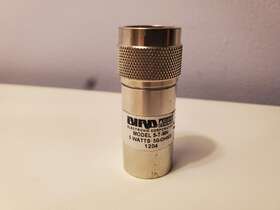
| Brand | BIRD ELECTRONIC |
|---|---|
| Manufacturer Part Number | 5-T-MN |
| Part Type | RESISTOR |
| Power Rating | 50 W |
| Termination Style | CONNECTOR |
| Resistor Type | RF COAXIAL RESISTOR |
| Bundle Listing | NO |
| Country/region Of Manufacture | UNITED STATES |
Review BIRD ELECTRONIC Termaline Rf Coaxial Resistor 5w 50 6ghz Male Connector
The Bird 5-T-MN Termaline RF Coaxial Resistor is a high-performance component designed for use in RF applications. This 5-watt resistor features a 50 ohm impedance and is capable of operating up to 6 GHz, making it suitable for use in a wide range of wireless communication systems.
The resistor is constructed using Bird's proprietary Termaline technology, which provides excellent thermal management and reliability. The Termaline material is a high-density ceramic compound that has excellent electrical properties, including low loss and high power handling. The resistor's termination is a male N connector, which is a popular choice for RF applications due to its low loss and high-frequency performance.
The Bird 5-T-MN Termaline RF Coaxial Resistor is designed for use in a variety of RF applications, including wireless communication systems, satellite systems, and microwave systems. Its high power handling and low loss make it an excellent choice for applications that require high-performance RF components. The resistor is also compact in size, making it easy to integrate into a wide range of systems.
In terms of performance, the Bird 5-T-MN Termaline RF Coaxial Resistor has a maximum power rating of 5 watts and a maximum voltage rating of 1,500 volts. It has a temperature coefficient of resistance of /- 150 ppm/deg C, and a maximum power dissipation density of 5 W/cc. The resistor is also rated for operating temperatures of -55 to 125 degrees Celsius.
Overall, the Bird 5-T-MN Termaline RF Coaxial Resistor is a high-performance component that is well-suited for use in a wide range of RF applications. Its excellent thermal management, low loss, and high power handling make it an excellent choice for systems that require reliable, high-performance RF components.
Pros of buying a Bird 5-T-MN Termaline RF Coaxial Resistor 5W 50 6GHz Male Connector:1. High power handling capacity: With a power rating of 5W, this resistor can handle a significant amount of power, making it suitable for high power RF applications.
2. Broadband frequency range: With a frequency range of 6GHz, this resistor can be used in a wide range of RF applications, including wireless communication systems, radar systems, and satellite communications.
3. Durable construction: The Termaline material used in the resistor provides excellent thermal management, ensuring that the resistor can operate at high temperatures without failing.
4. Convenient connector type: The male connector on the resistor makes it easy to connect to other RF components or test equipment, reducing the need for additional adapters or connectors.
Cons of buying a Bird 5-T-MN Termaline RF Coaxial Resistor 5W 50 6GHz Male Connector:1. Limited impedance options: This resistor is available in a 50 ohm impedance, which may not be suitable for all RF applications.
2. Higher cost: Compared to some other RF resistors, this resistor may be more expensive due to its high power handling capacity and broadband frequency range.
Conclusion:The Bird 5-T-MN Termaline RF Coaxial Resistor 5W 50 6GHz Male Connector is a high-quality RF resistor that is well-suited for applications requiring high power handling and a wide frequency range. Its durable construction and convenient connector type make it a convenient choice for many RF applications. However, its limited impedance options and higher cost may make it less suitable for budget-conscious users or applications requiring a different impedance. Ultimately, the decision to purchase this resistor depends on the specific requirements of your RF application and your budget.
Recommendation:If you require a high-power, broadband RF resistor with a convenient connector, the Bird 5-T-MN Termaline RF Coaxial Resistor 5W 50 6GHz Male Connector is a good choice. However, if budget is a concern or if you require a different impedance, you may want to consider other options available in the market. It is always a good idea to research and compare different RF resistors to find the one that best meets your specific needs.
Details:
specifications passivecompos:
- brand: Bird Electronic
- mpn: 5-t-mn
- part type: Resistor
- power rating: 50 W
- termination style: Connector
- resistor type: Rf Coaxial Resistor
- bundle listing: No
- country/region of manufacture: United States
seller passivecompos:
- city: hyattsville, maryland
- rating: 100.0%
- # reviews: 793
offer passivecompos:
- in stock #: 3
- options: ship-to-home
- sold #: 34
- started: january 7, 2024
- availability: in stock
- prices: $59.00–$179.99
- item condition:
- Used
- New – Open box
returns passivecompos:
- policy: no returns
general passivecompos:
- category: Business & Industrial > Electronic Semiconductors > Passive Components > Fixed Resistors
shipping passivecompos:
- carrier: usps
- class: standard
- type: calculated
- transit: 6-12 days
- service: usps ground advantage
payments passivecompos:
- wallet: apple-pay
- credit card: visa